

Histamine-Certified Wine with Detailed Laboratory Analysis – Direct from the Winery

As a winery, we produce our wines ourselves and have them analysed for their histamine content by an accredited wine laboratory. The analysis report is available to download for every wine.
In Brief: What Does
“Histamine-Certified Wine” Mean?
- Our wines are tested for histamine in a laboratory.
- The laboratory’s detection limit is < 0.01 mg/l.
Actual Histamine Levels instead of Vague Descriptions
When it comes to histamine in wine, what matters is not the terminology but clear, laboratory-verified values. The decisive factor is how much histamine has actually been measured in the wine. That is why we deliberately refer to histamine-certified wines and make it clear how the testing is carried out and what the results mean.
The measured histamine levels give you the freedom to make your own choice, using concrete data to decide for yourself which wine you consider suitable for you.
You can also consult our overview of wines with the lowest histamine levels.
What Exactly Does “Histamine-Certified” Mean?
At Weingut Fuchs, histamine-certified means:
- The particular bottling is analysed by an accredited wine laboratory.
- The laboratory measures the histamine content of the wine in mg/l.
- The result is provided with each wine, together with the laboratory analysis.
- The analysis applies to the specific bottling of the stated vintage.
You can download the corresponding analysis report for each wine.
Why We Use the Term “Histamine-Certified” for Wine and Sparkling Wine
Other terms are frequently used in everyday language, but are not legally permitted for wine.
For this reason, we describe our wines as histamine-certified and put the measured values first, rather than using absolute terms. Clear analysis results instead of promises.
What a Histamine Analysis Offers You
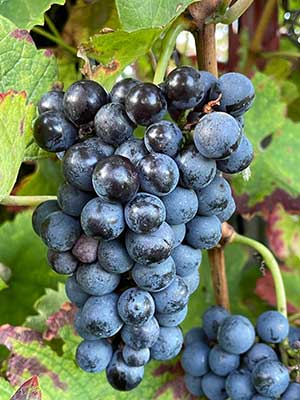
The histamine analysis provides reliable guidance when choosing your wine. It shows the measured histamine content to an accuracy of one thousandth of a milligram and allows you to compare different wines and vintages.
Please bear in mind that people may perceive and tolerate wine differently.
The analysis does not replace an individual or medical assessment, but helps you make an informed decision.
FAQ – Frequently Asked Questions About Histamine-Certified Wines from Weingut Fuchs
-
No. The wine is not treated, and we do not remove any histamine from it. The analysis merely determines the wine’s natural histamine content.
-
Yes. Each analysis refers to the specific bottling of a particular vintage.
-
Yes. This particular test measures the histamine content. In addition, the wines undergo the analyses prescribed for the official German quality wine and Prädikatswein examinations.
-
The analyses provide only measured values for the wines’ histamine content; they are not a medical assessment. Only you can decide whether a particular wine is an option for you and, if so, in what quantity.
Wines with Histamine Analysis for Your Safety
Special Analysis of Histamine Content
We have current, specific histamine analyses for the following wines. You can download the report for each wine. Laboratory values are stated in mg/l to three decimal places (one milligram is one thousandth of a gram).
The value “< 0.01 mg/l” means that the result is below the detection limit. In other words, the laboratory could not detect any histamine in that wine.
Order Histamine-Certified Wines Online
In our online shop, you will find our histamine-certified wines grouped by wine type:
Clicking on a name in the lists below takes you directly to that wine in our online shop.

Explore white wines for which specific laboratory analyses of their histamine levels are available.
Here you will find a wide choice of dry, off-dry and sweet white wines:
- Chardonnay Dry, Histamine-Certified 2025 · fresh + fruity white wine
Silver Medal AWC Vienna 2026
Histamine Content: 0,089 mg/l Download Histamine Analysis - Green Silvaner Dry, Histamine-Certified
- Pinot Blanc Dry, Histamine-Certified 2025 · fruity white wine
Silver Medal AWC Vienna 2026
Histamine Content: 0,106 mg/l Download Histamine Analysis - Riesling Dry, Histamine-Certified 2025 · elegant white wine
Silver Medal AWC Vienna 2026
Histamine Content: < 0,01 mg/l Download Histamine Analysis - Moscato Giallo Off-Dry, Histamine-Certified 2025 · aromatic white wine
Silver Medal AWC Vienna 2026
Histamine Content: 0,018 mg/l Download Histamine Analysis - Pinot Gris Off-Dry, Histamine-Certified
- Riesling «S» Off-Dry, Histamine-Certified 2025 · elegant white wine
Gold Medal AWC Vienna 2026
Histamine Content: 0,017 mg/l Download Histamine Analysis - Sauvignon Blanc Off-Dry, Histamine-Certified 2025 · spicy white wine
Gold Medal AWC Vienna 2026
Histamine Content: 0,086 mg/l Download Histamine Analysis - Sauvignon Blanc «Zero», Non-Alcoholic, Histamine-Certified 2024 · non-alcoholic white wine, histamine-certified
Histamine Content: < 0,01 mg/l Download Histamine Analysis - Bacchus Spaetlese Semi-Sweet, Hinstamine-Certified
- Riesling Auslese Semi-Sweet, Histamine-Certified 2025 · elegant white wine
Silver Medal AWC Vienna 2026
Histamine Content: < 0,01 mg/l Download Histamine Analysis - Gewuerztraminer «S» Sweet, Histamine-Certified 2024 · spicy + sweet white wine
Gold Medal AWC Vienna 2025
Histamine Content: 0,038 mg/l Download Histamine Analysis - Huxel «S» Sweet, Histamine-Certified 2025 · very fruity + sweet white wine
Silver Medal AWC Vienna 2026
Histamine Content: 0,184 mg/l Download Histamine Analysis - Sauvignon Blanc Sweet, Histamine-Certified 2025 · Semi-sweet white wine
Silver Medal AWC Vienna 2026
Histamine Content: 0,093 mg/l Download Histamine Analysis - Scheu’s Grape «S» Sweet, Histamine-Certified 2024 · Very grapy + sweet white wine
Silver Medal AWC Vienna 2026
Histamine Content: < 0,01 mg/l Download Histamine Analysis - Huxel Trockenbeerenauslese Noble Sweetness, Histamine-Certified 2015 · Sweet white dessert wine
Silver Medal AWC Vienna 2026
Histamine Content: 0,104 mg/l Download Histamine Analysis - Sieger + Ortega Beerenauslese Noble Sweetness, Histamine-Certified

Explore rosé wines for which specific laboratory analyses of their histamine levels are available.
Here you will find fresh, fruity rosé wines ranging from dry to sweet:
- Fuchs Rosé «Zero», Non-Alcoholic, Histamine-Certified 2023 · fruity non-alcoholic rosé wine, histamine-certified
Histamine Content: 0,027 mg/l Download Histamine Analysis - Dornfelder Rosé Sweet, Histamine-Certified 2025 · sweet + fruity rosé wine
Silver Medal AWC Vienna 2026
Histamine Content: 0,021 mg/l Download Histamine Analysis

Explore red wines for which specific laboratory analyses of their histamine levels are available.
Here you will find powerful and fruity red wines ranging from dry to sweet:
- Fuchs Cuvée «J» Dry, Histamine-Certified
- Fuchs «Extra» Dry, Histamine-Certified 2023 · Powerful, velvety and dense red wine
Silver Medal AWC Vienna 2025
Histamine Content: 0,127 mg/l Download Histamine Analysis - Pinot Meunier Dry, Histamine-Certified 2025 · fruity + velvety red wine
Silver Medal AWC Vienna 2026
Histamine Content: < 0,01 mg/l Download Histamine Analysis - Pinot Noir Dry, Histamine-Certified 2025 · full-bodied red wine
Silver Medal AWC Vienna 2026
Histamine Content: 0,097mg/l Download Histamine Analysis - Dornfelder Dry, Histamine-Certified 2024 · powerful red wine, histamine-certified
Histamine Content: 0,149 mg/l Download Histamine Analysis - Fuchs Red Wine Off-Dry, Histamine-Certified
- Merlot Off-Dry, Histamine-Certified
- Pinot Meunier Off-Dry, Histamine-Certified
- Dornfelder Semi-Sweet, Histamine-Certified
- Dunkelfelder Sweet, Histamine-Certified 2025 · fruity + sweet red wine
Silver Medal AWC Vienna 2026
Histamine Content: 0,070 mg/l Download Histamine Analysis - Moscato Rosa Sweet, Histamine-Certified
- Mulled Wine «Winter Magic», Histamine-Certified
- Mulled Wine «Winter Magic», Histamine-Certified, 6 Bottles · Red mulled wine, histamine-certified, 6 bottles
Histamine Content: 0,164 mg/l Download Histamine Analysis - Pinot Noir Sweet, Histamine-Certified 2024 · velvety + fruity red wine
Silver Medal AWC Vienna 2025
Histamine Content: 0,051 mg/l Download Histamine Analysis
Try different sparkling wines for which specific laboratory analyses of their histamine levels are available.
Here you will find sparkling enjoyment from dry to sweet:
- Bacchus Sekt (Sparkling Wine) Semi-Dry, Histamine-Certified
- Pinot Blanc Sekt (Sparkling Wine) Brut, Histamine-Certified fine-fruity, very dry German sekt (sparkling wine)
Histamine Content: < 0,01 mg/l Download Histamine Analysis - Scheu’s Grape Sekt (Sparkling Wine) Dry, Histamine-Certified dry, very fruity German sekt (sparkling wine)
Histamine Content: 0,026 mg/l Download Histamine Analysis
More Important Information About Histamine in Wine
The Taste of Histamine-Certified Wines
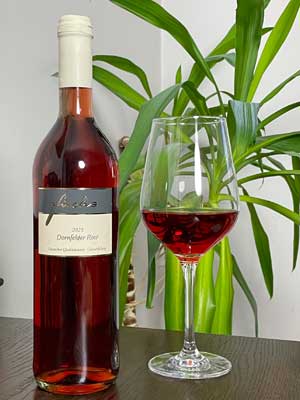
The taste of a wine depends on many different factors. These include, for example, the ripeness of the grapes, their processing in the cellar, and the resulting aromas, sweetness and acidity and the way they interact.
The “absence” of histamine in our wines is completely irrelevant to their taste. The success of our wines – including quite a number of histamine-certified wines – in international wine competitions proves this beyond doubt.
According to our research, histamine is tasteless. It therefore makes no difference whatsoever to the taste of a wine, regardless of how much or how little histamine it contains.
The best evidence of the taste quality of our wines is the award of official approval numbers to quality wines and Prädikatsweine, as well as the medals we have won at AWC Vienna.
What Exactly Is Histamine?
Histamines are natural substances (biogenic amines). They occur naturally in many foods and drinks. For example, aged cheese and smoked foods have a high histamine content. Various fresh fruits and vegetables, such as strawberries, citrus fruits and tomatoes, also naturally contain histamines.
How Does Histamine Get into Wine?
Wine grapes may contain histamines, but they do not necessarily have to. Their histamine content varies depending on the grape variety, the course of ripening and the resulting state of health of the grapes at harvest.
The histamine content of a wine depends on many factors. Particularly important are:
- the quality of the harvested grapes and
- how they are processed in the cellar.
Only when all the factors are right is it possible to ensure that a wine develops no histamine or only a very small amount.
Unfortunately, this means it is not possible to keep histamine levels very low in every vintage and every wine.
Other winemakers may handle this differently – at Weingut Fuchs, we do not remove histamine from the wine. Instead, we work in the vineyards and in the cellar according to the principle of keeping histamine formation as low as possible from the outset.
That means only grapes that contain no histamine at harvest are fermented into these wines. During fermentation and the subsequent maturation in the cellar, our aim is to prevent the formation of histamines.
We leave wines that contain histamines because of their grapes, or develop them naturally during their development in the cellar, unchanged. These wines are not suitable for wine lovers with histamine intolerance.
Organic winemakers are fond of making this claim and do so frequently. However, there is absolutely no scientific evidence that the cultivation method has any influence on whether histamine develops in wine.
We tend to suspect the opposite: that conventional viticulture is clearly superior to organic viticulture when it comes to preventing histamine. The reason is that in years with difficult weather conditions – in 2024, for example, some wine-growing regions had more rainfall than usual – the risk of rot in wine grapes is significantly higher than in dry years. Rot promotes the formation of histamines in wine grapes and is difficult to prevent in organic viticulture.
From many conversations with people affected, we have learned just how widely the symptoms of histamine intolerance can vary. We therefore recommend approaching the enjoyment of our histamine-certified wines with caution. Please take it slowly and carefully test whether you can enjoy these wines and, if so, in what quantity.
Please also take care not to commit any further “sins” while enjoying wine: do not combine it with a histamine bomb in the form of a ham sandwich or a very mature cheese.
Of course, the decision whether or not to take this risk is entirely yours.
To help you decide, here is some general information from the laboratory that regularly analyses our wines for histamine:
According to our laboratory’s experience, the average histamine content of untested white wines and rosé wines is around 1 mg/l. That is approximately ten times as much as in our histamine-tested wines.
According to the laboratory, the histamine content of red wines is considerably higher still. You can expect at least 3–4 mg/l of histamine in red wine – with no upper limit.
Average Rating of Our Histamine-Certified Wines: 4.8 (894 reviews)
FAQ – Frequently Asked Questions
No wine can be guaranteed to contain absolutely no histamine. However, precise laboratory methods make it possible to obtain actual measured values, expressed in thousandths of a milligram per litre (mg/l).
For some wines, the result is < 0.01 mg/l. This means that the laboratory could not detect any histamine because the level was below its detection limit.
We use this term for wines for which a specific histamine analysis by an accredited wine laboratory is available.
The measured value is provided with the relevant wine and allows its histamine content to be assessed precisely.
Unfortunately, we cannot make a general recommendation for people with histamine intolerance, because individual tolerance varies considerably.
Please use the specific values in the histamine analyses to decide for yourself which wines you personally consider worth trying.
Unfortunately, no white wine “helps” with histamine intolerance or is equally suitable for everyone affected.
However, many wine lovers with histamine intolerance deliberately choose histamine-certified white wines because specific histamine analyses are available, allowing them to make an individual choice.
According to the wine laboratory that carries out our histamine analyses, the average histamine content of white wines is around 1 mg/l.
Red wines often contain considerably more histamine, frequently reaching values above 3–4 mg/l.
In our experience, no. Whether a wine is dry, off-dry or sweet, and which grape variety was used, have no influence on its histamine content.
Our histamine-certified wines therefore include many different grape varieties and flavour styles – the decisive factor is the individual analysis result.
The analyses are carried out by an accredited wine laboratory that also performs official analyses for German quality wine examinations.